
The IBI recently welcomed the International Centre for Neuroscience and Ethics (CINET) as a Partner, marking an important step in strengthening international collaboration in neuroscience. In this feature, Drs. Javier Bernácer and José M. Muñoz share their perspectives on the significance of this partnership and its role in advancing global neuroscience collaboration.
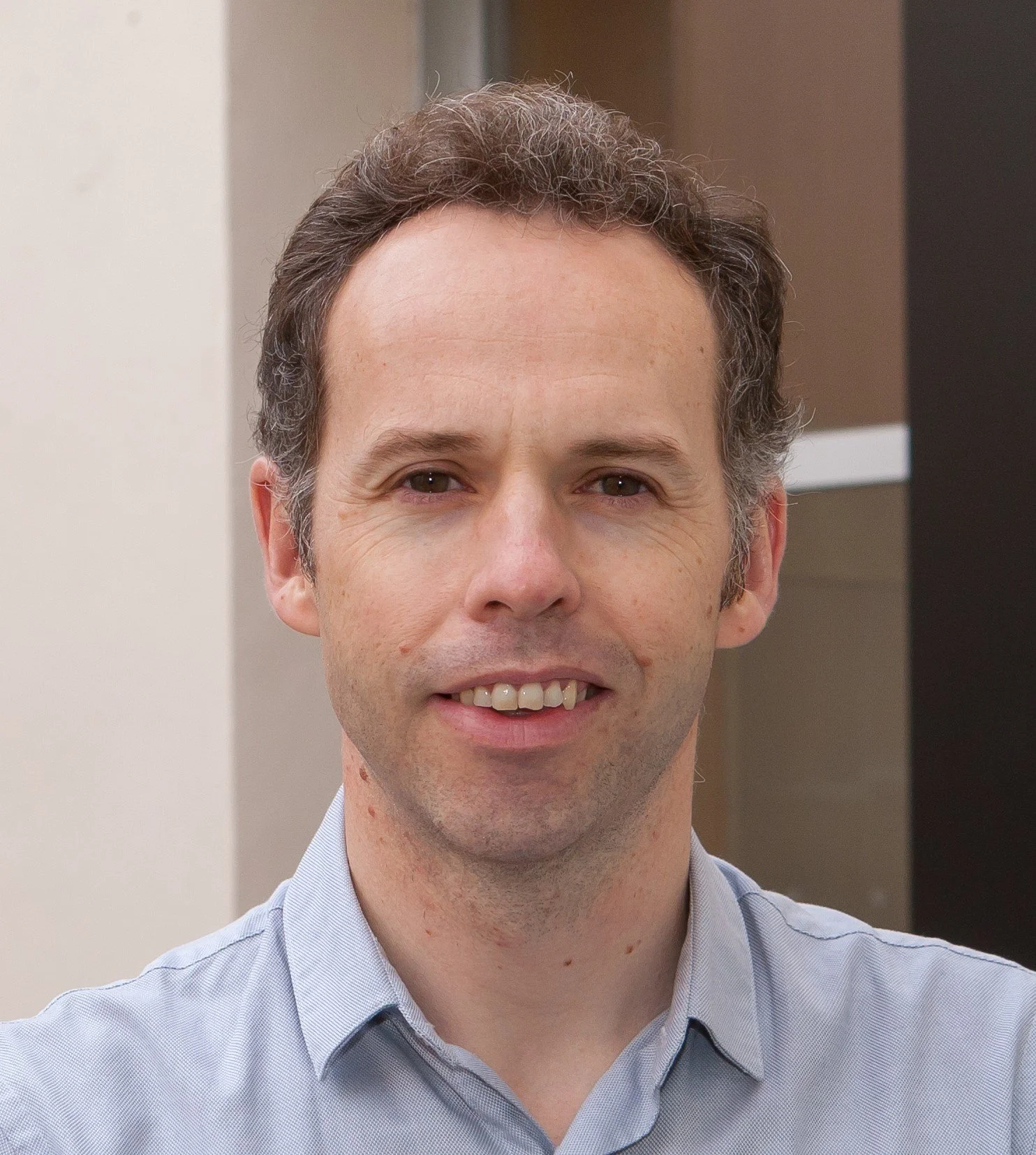
Dr. Javier Bernácer
Dr. Bernácer is Scientific Director at CINET, and Principal Co-Researcher of the Mind-Brain Group at the Institute for Culture and Society (ICS) at the University of Navarra.

Dr. José M. Muñoz
Dr. Muñoz is Head of Neurotechnology at CINET, and a researcher, speaker, and consultant on the ethical, legal, and social implications of neurotechnology.
Why is a consortium of international alliances important to global neuroscience?
Dr. Javier Bernácer: We face one of the greatest challenges in human knowledge: understanding how the brain functions and how it relates to behavior. Therefore, we need to work together beyond national or continental interests. The rise of mental and neurological disorders, the challenges of brain-computer interfaces and neurotechnologies... These are human endeavors that we must face together.
Dr. José M. Muñoz: The brain does not respect borders, and neither do the technologies we are building to read it and interact with it. Neurotechnologies, increasingly powered by AI, are developed, tested, and marketed across jurisdictions, and the questions they raise, from the protection of neural data to mental privacy, cannot be answered country by country. A consortium like the IBI allows large initiatives to align on shared challenges and avoid duplicated efforts or incompatible standards. Just as importantly, it allows us to agree on what responsible neuroscience looks like while respecting the genuine diversity in how different cultures understand the mind.
Why is global neuroscience important for CINET?
Dr. Javier Bernácer: CINET was born 5 years ago as an initiative to promote the dialogue between neuroscience, other natural sciences, and the humanities, with a single overarching goal: understanding the nervous system in the context of the whole person (that is, including the interaction with the rest of the body, mental activity, and the environment). Put simply, we want to help neuroscientists by promoting this dialogue, and to bring cutting-edge neuroscience to other fields of knowledge that may benefit from a rigorous understanding of the nervous system, such as philosophy, physics, psychology, data science, sociology, and so on.
Dr. José M. Muñoz: Through INEGOV, our International Neurotechnology Governance Observatory, CINET works on a question that is global by nature: how to turn ethical principles into practical governance for neurotechnology. That is why INEGOV is built around an International Advisory Council, and why our first neurotechnology conference brought its members together to produce a joint paper on the “operational turn” in neurotechnology governance. For us, global neuroscience is not an add-on to our mission, but the condition for our work to be relevant at all.
What are your key values and priorities with the IBI?
Dr. Javier Bernácer: In relation to the IBI, our priorities are:
Contributing to neuroethics as an integral part of neuroscience, with a strong conceptual and philosophical dimension,
Promoting interdisciplinary training so that neuroscientists engage with philosophy and philosophers with neuroscience,
Bringing cross-cultural and cross-disciplinary perspectives to the study of mind and brain, including empirical work on the philosophical assumptions of researchers worldwide (see our recent research about this); and
Strengthening public engagement and trust in neuroscience.
Dr. José M. Muñoz: Another priority is to help ensure that ethics and governance are built into brain research from the outset, rather than added once technologies are already on the market, and to do so through practical tools rather than principles alone. One example is the Madrid Scale for Neurotechnology Governance, a use-based calibration of risk and opportunity in context, which we would be glad to discuss and test with IBI colleagues. The governance of neural data, where we argue that data should be governed by how they are used rather than where they come from, is another area where we see room for fruitful dialogue with the IBI, including its work on data sharing. In terms of values, we believe in collaboration over competition, in horizontal ways of working, and in bridging Europe and the Spanish-speaking world.
What are your key milestones with the IBI?
Dr. Javier Bernácer:
To keep contributing to the Crosscultural Working Group, and to also join the Neuroethics and Education and Outreach Working Groups.
As hosts of Neuroethics 2027, the next meeting of the International Neuroethics Society, we expect to receive many associates from the IBI for exciting interdisciplinary discussions.
To contribute to the interdisciplinary training of neuroscientists worldwide through our online master’s in neuroscience and the humanities.
To use the IBI Fellowships in Global Exchange Program for interdisciplinary training between neuroscience and the humanities.
Dr. José M. Muñoz: We would also like to put INEGOV’s expertise and its international network at the service of the IBI, for instance, by contributing to policy-oriented outputs such as reports, briefs, or workshops on neurotechnology governance. We are also currently preparing INEGOV’s contribution to the consultation of the UN Human Rights Council Advisory Committee on neurotechnology and human rights, and we would welcome opportunities to bring IBI perspectives into these multilateral discussions.
What do you hope to achieve with the IBI?
Dr. Javier Bernácer: To have a real impact on understanding the nervous system and its relationship with mental activity, considering all dimensions of the human being. We started CINET as a humble initiative, but with the conviction that it was necessary to support neuroscience in the gigantic quest to understand the nervous system. For CINET, joining the IBI is a wonderful opportunity to get closer to that overarching goal.
Dr. José M. Muñoz: In the short term, we hope to be a useful partner, bringing a governance and ethics perspective to the IBI’s work in a concrete way. In the longer term, we would like to help the Spanish neuroscience and neurotechnology community engage more actively with global brain initiatives. Spain has a remarkable neuroscience tradition, going back to Cajal, and a very dynamic research community today, and there is a lot of room for it to play a more visible role internationally.
CINET is the International Centre for Neuroscience and Ethics created by Fundación Tatiana. It was founded with the goal of fostering interaction between cutting-edge neuroscience, psychology, and ethical questions that it raises.
To learn more about CINET and their initiatives, please visit: https://www.cinetcenter.com/en/