IBI co-hosts side event on Data Sovereignty and the Right to Development for Indigenous Peoples at the 61st UN Human Rights Council
March 3, 2026 — Geneva, Switzerland
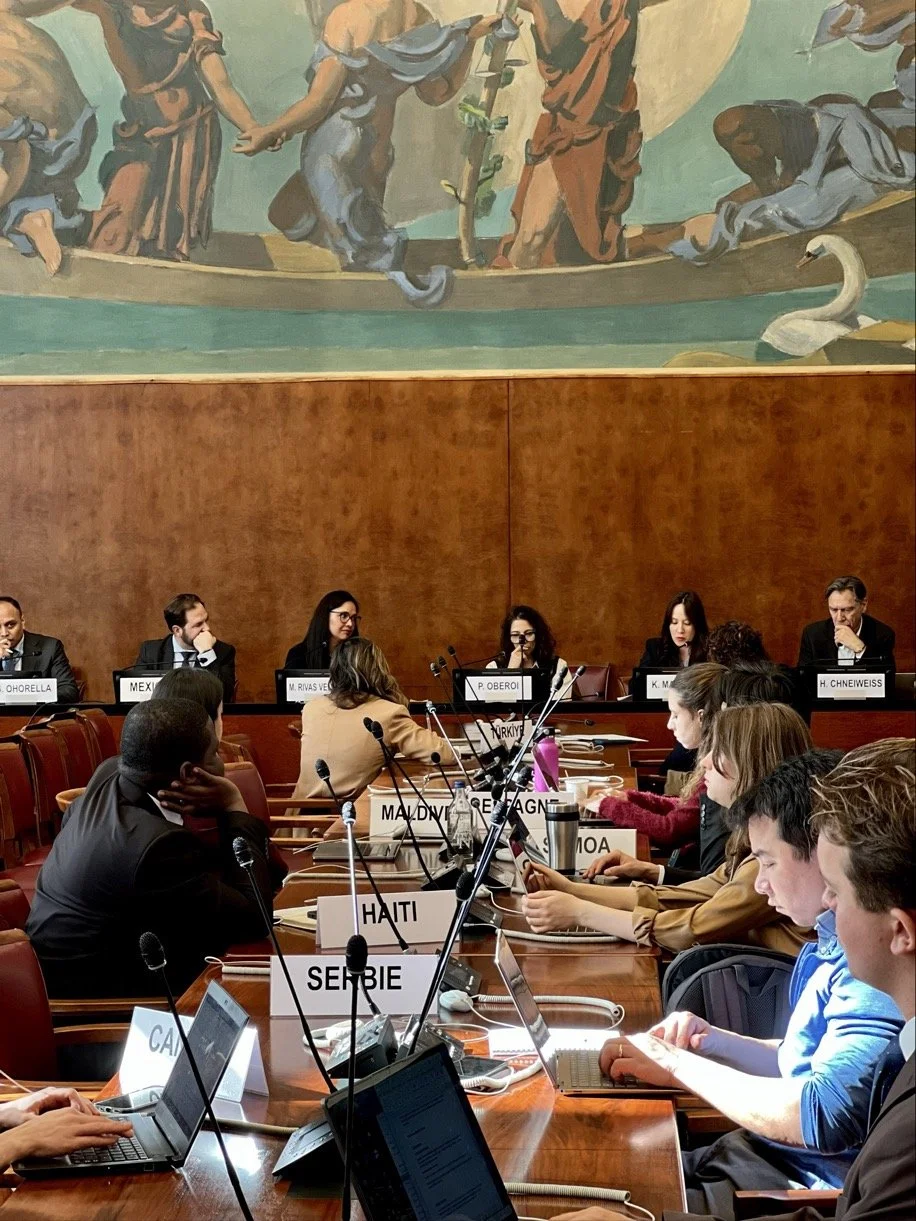
On 3 March 2026, the International Brain Initiative (IBI) — Crosscultural Working Group, together with the United Nations Human Rights Council’s Expert Mechanism on the Right to Development (EMRTD), co-organized a side event titled “Data Sovereignty and the Right to Development for Indigenous Peoples” during the 61st session of the UN Human Rights Council at the Palais des Nations in Geneva, Switzerland.
The event brought together experts, diplomats, researchers, and Indigenous rights advocates for a focused discussion on how Indigenous Data Sovereignty — the right of Indigenous Peoples to govern, control, and benefit from data about their communities, lands, cultures, and knowledge systems — is essential to the realisation of their right to development in the digital era.
Panel speakers included senior representatives from the Office of the UN High Commissioner for Human Rights, Indigenous organisations, academic institutions, and international human rights bodies. They examined the impacts of emerging technologies, such as artificial intelligence, neurotechnology and digital data systems, on Indigenous governance systems and worldviews when these are excluded from data governance frameworks.
The discussions highlighted the risks of data extraction and technological innovation without meaningful Indigenous consent, and explored pathways to embed Indigenous-led data governance, culturally grounded approaches, and rights-based technology policies in international human rights and development frameworks. Contributions from the event will help inform the ongoing thematic study by the Expert Mechanism on the Right to Development on Artificial Intelligence, Cultural Rights, and the Right to Development.
The side event underscored the importance of centring Indigenous leadership and ways of knowing in global debates about technology and data governance to ensure that digital innovation supports self-determination, cultural integrity, and equitable development for Indigenous Peoples worldwide.